
Window types & materials, explained simply
Two decisions shape every window project: the material (which determines how long your windows last and how much upkeep they need) and the style (how they look and operate). Start with material — it's the one you'll live with longest.
Frame materials
For forever homes in Northeast PA, composite is the material we see homeowners choose — and recommend to their neighbors — most often.
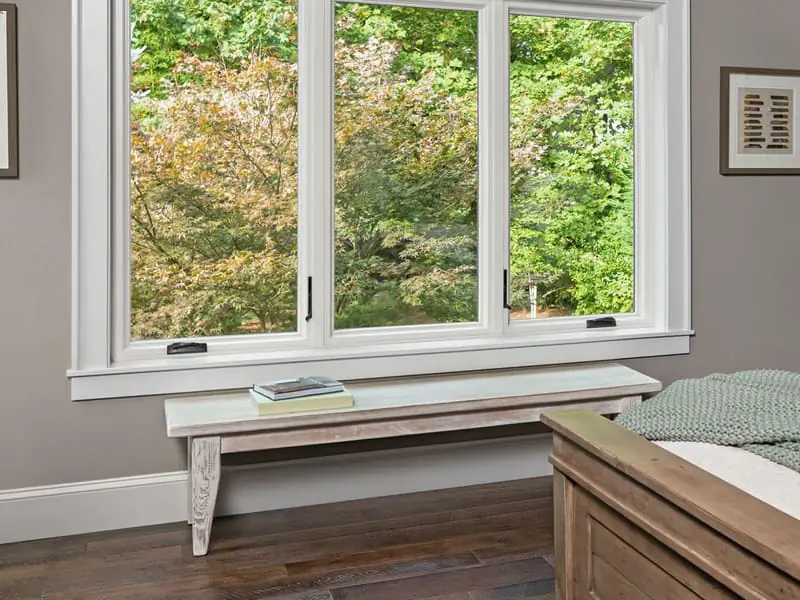
Composite Windows
Composite windows combine the timeless look of wood with modern engineering that shrugs off Pennsylvania weather — no painting, no scraping, no warping. For homeowners upgrading the home they plan to keep, composite is the material we see forever-home owners choose most often, and the one they thank themselves for years later.
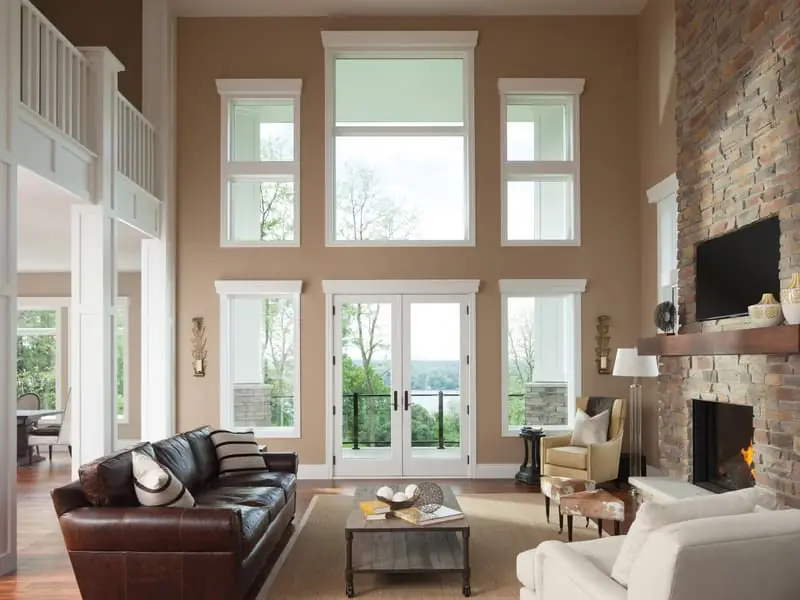
Wood Windows
Wood windows are the original — warm, classic, and right at home in older Lehigh Valley houses. The trade-off is upkeep: wood needs regular painting or staining and careful attention to moisture. That’s why many homeowners who love the wood look now choose composite, which delivers the same warmth without the maintenance calendar.
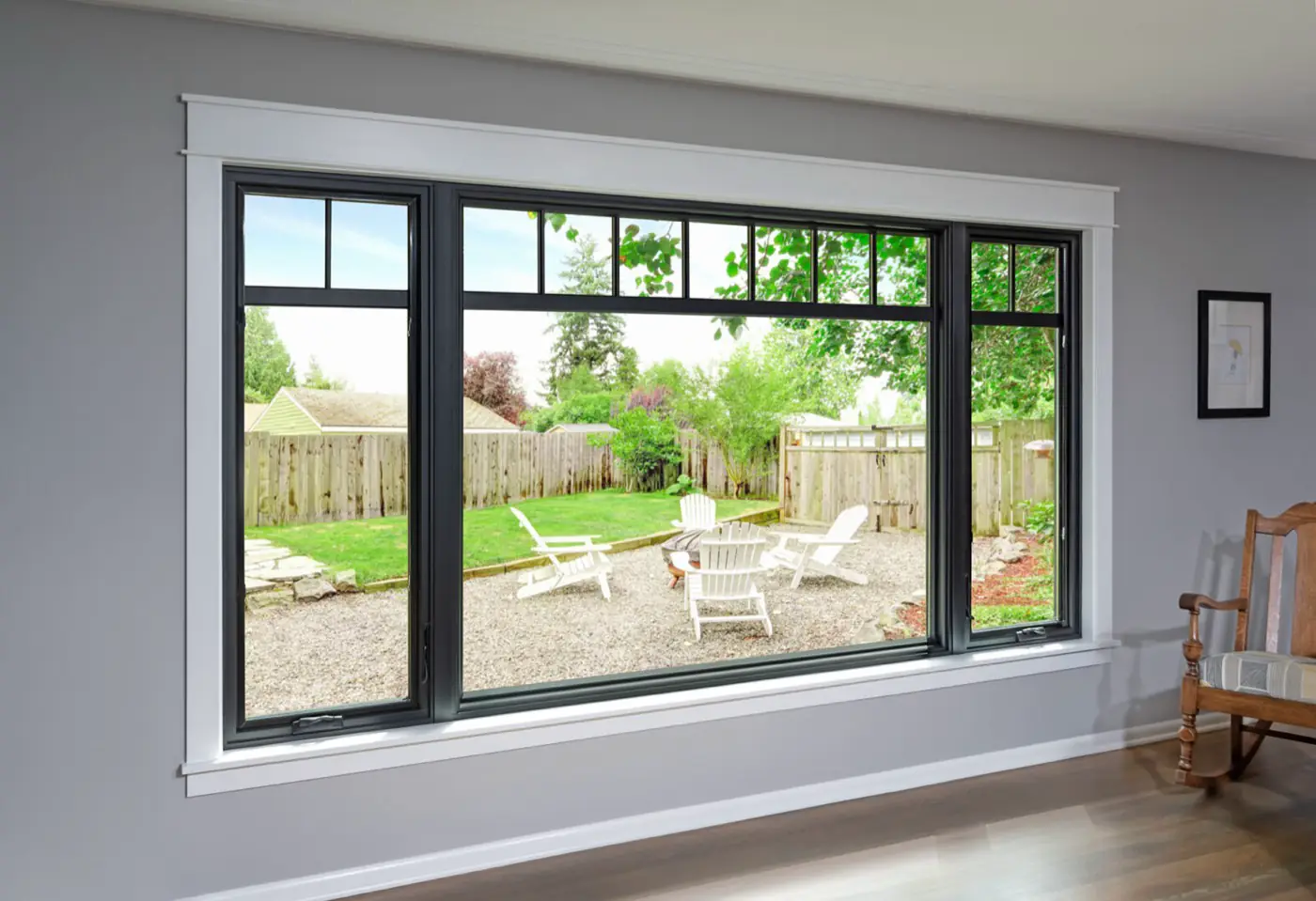
Vinyl Windows
Vinyl is the most widely sold replacement window material, and it comes in a wide range of quality. The trade-off most homeowners don’t hear in the sales pitch: vinyl generally doesn’t last nearly as long as composite. For a short-term house it can be a reasonable fit; for a forever home, most owners are better served stepping up to composite.

Fiberglass Windows
Fiberglass frames are built from glass fibers and resin, which makes them strong, rigid, and about as dimensionally stable as a window frame gets. They expand and contract at nearly the same pace as the glass they hold, so the seals take less stress through a Pennsylvania winter. Finishes are typically paintable. We still point forever-home owners to composite first, but fiberglass is a legitimate alternative — not a downgrade.
Window styles
Every home — and every room — has a best-fit style. All of these are available in composite.
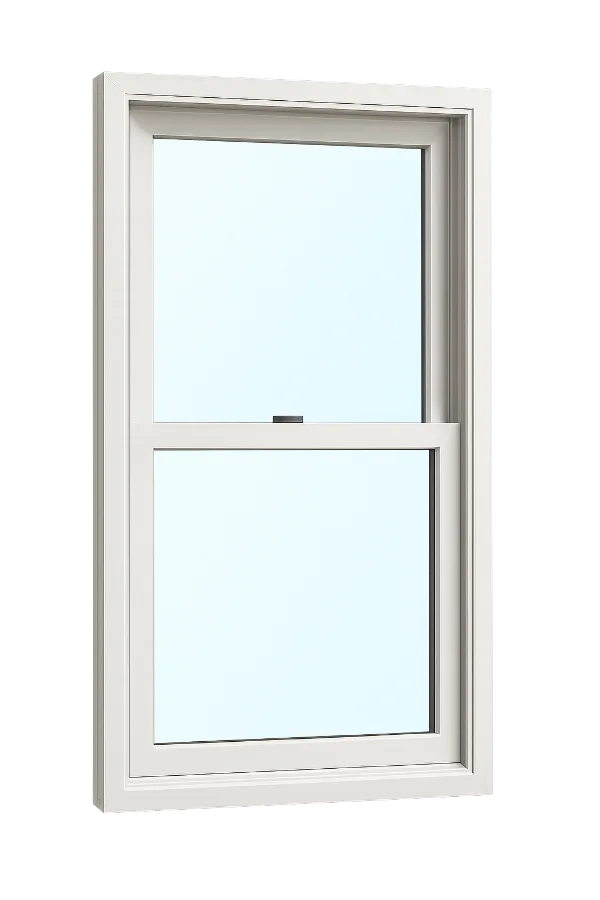
Double-Hung Windows
Double-hung windows are the most common style in Lehigh Valley homes. Both the top and bottom sashes slide vertically, and many modern versions tilt inward for easy cleaning — a big plus for forever-home owners who want less ladder work.
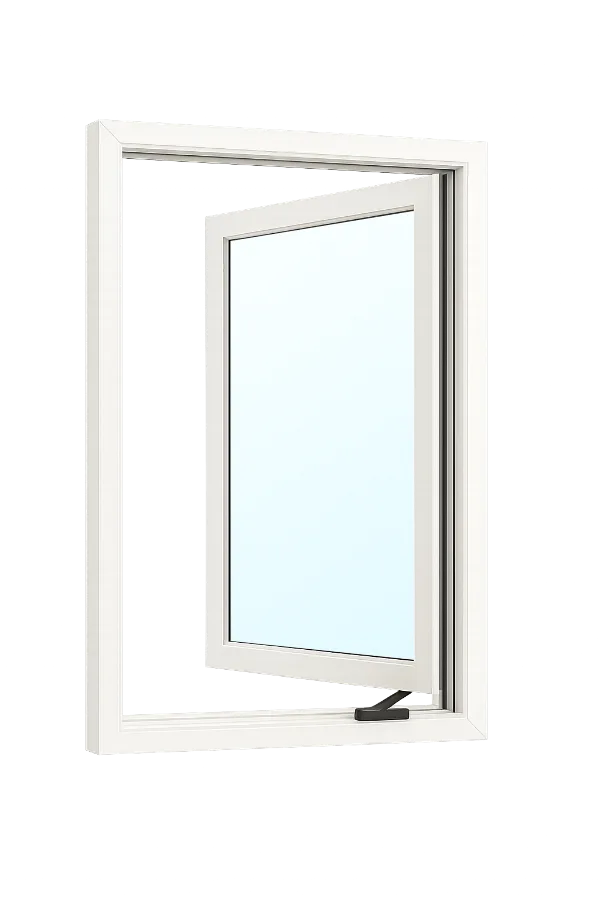
Casement Windows
Casement windows crank open outward like a door, creating a tight seal when closed and excellent ventilation when open. They’re popular in kitchens, baths, and rooms where you want maximum airflow with easy one-hand operation.
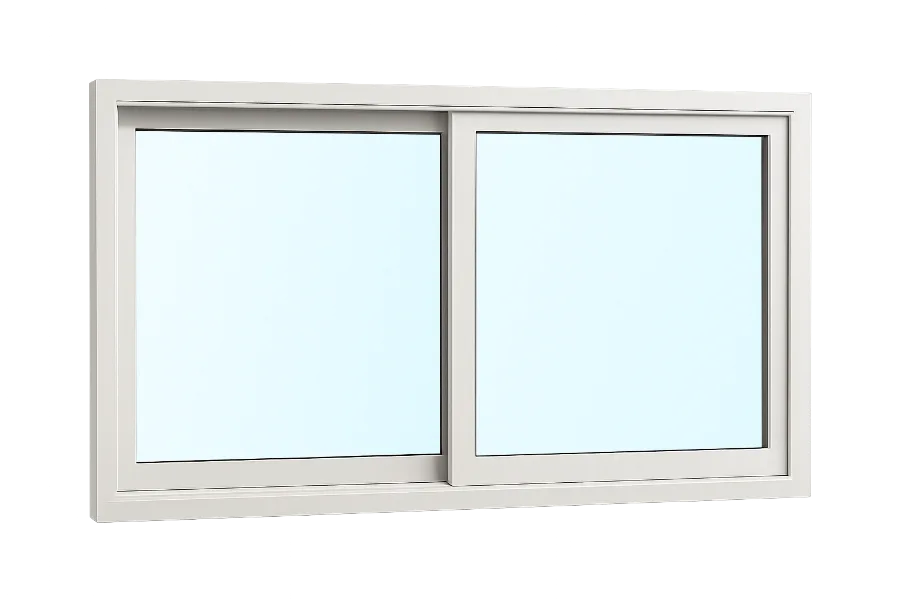
Sliding Windows
Sliding (or gliding) windows move horizontally on a track. They’re a clean look for modern and ranch-style homes and can be easier to operate than lifting a tall double-hung sash.
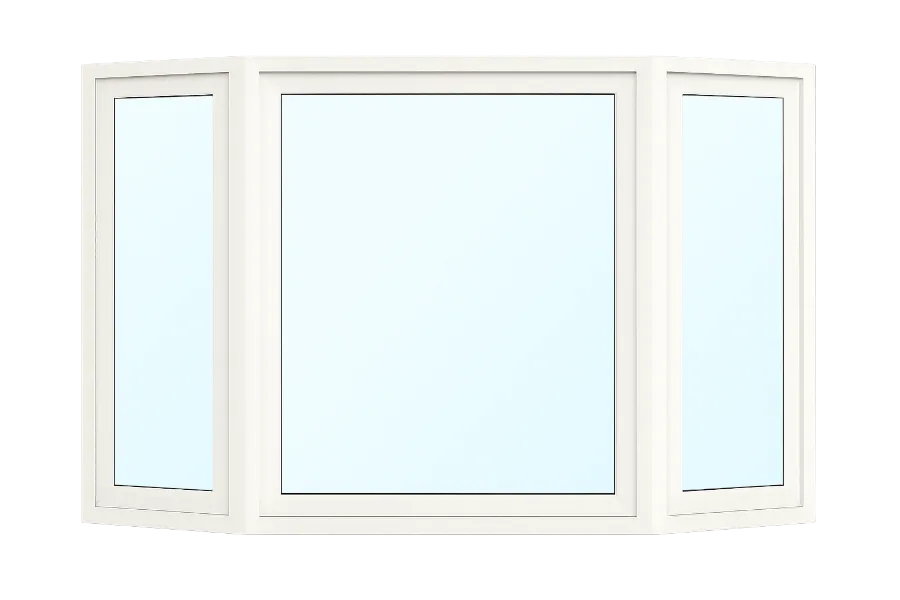
Bay & Bow Windows
Bay and bow windows project outward from the home, adding light, space, and architectural character. They’re a favorite feature window in living rooms and dining areas for forever homes.
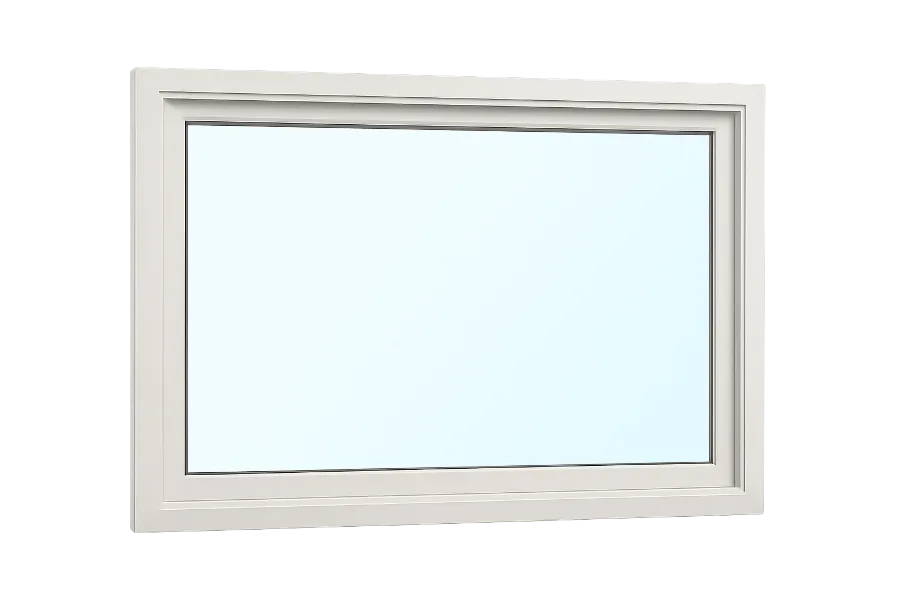
Picture Windows
Picture windows are fixed (they don’t open) and maximize glass area for views and daylight. They’re often paired with operable windows on either side for ventilation.
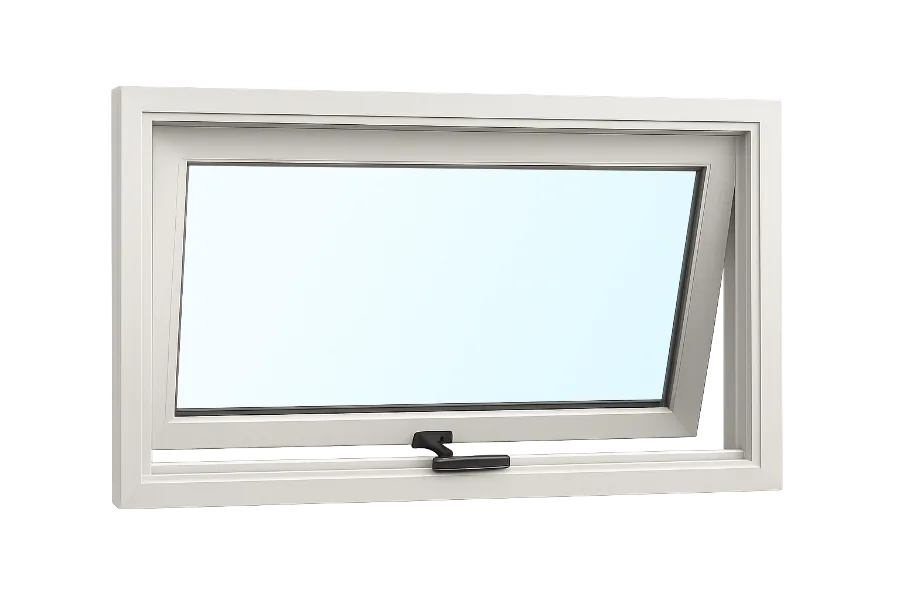
Awning Windows
Awning windows hinge at the top and open outward from the bottom, forming a small “awning” that can stay open in light rain. They’re common in basements, baths, and over kitchen sinks.
Also worth replacing
Sliding Patio Doors
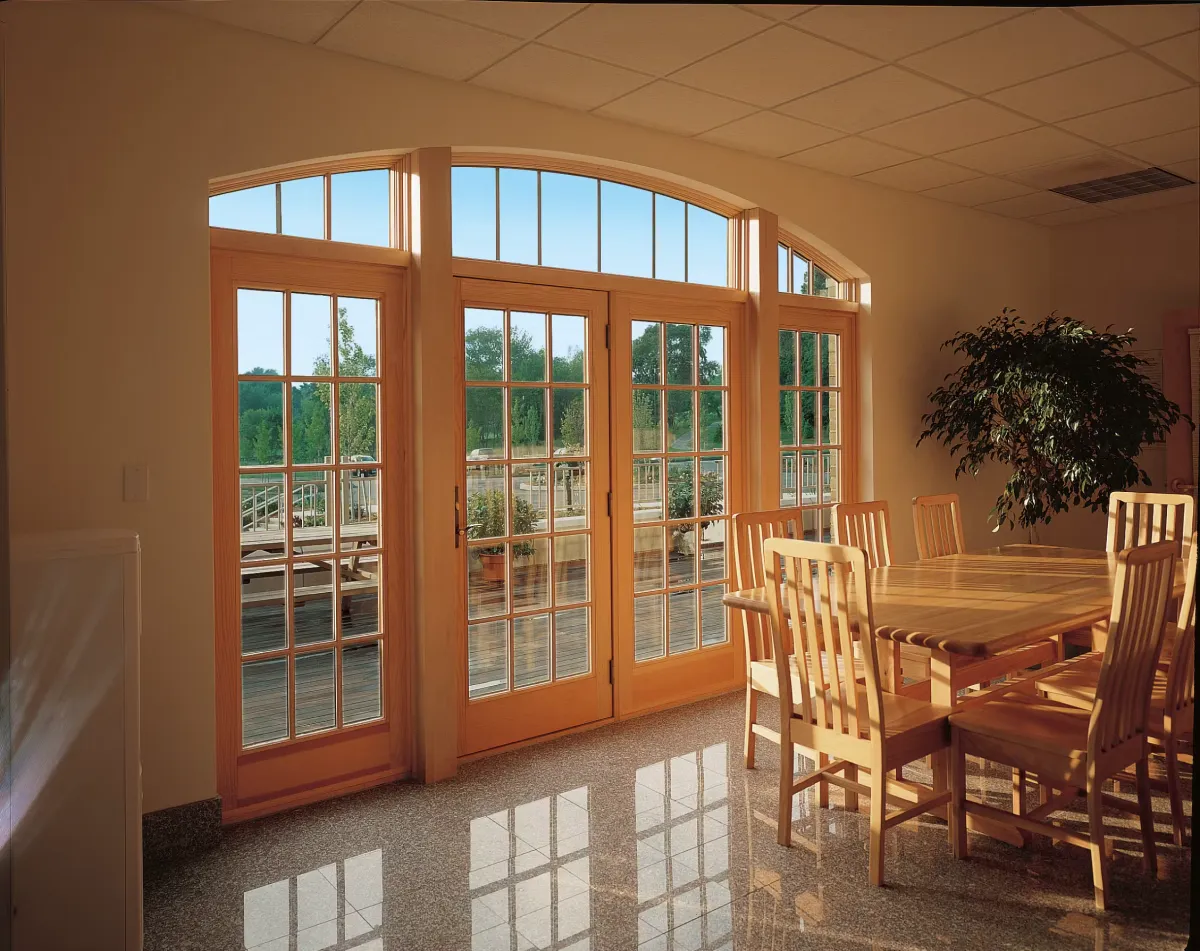
A patio door does the same job as a window — hold back the weather while letting light in — but it is treated as its own item on a project, because it’s a door with different framing, hardware, and labor. Most replacements are sliders that ride on rollers in a track, though hinged French-style units are an option where you have room to swing them. When a patio door starts sticking or whistling, it’s often the single biggest air leak in the whole house.
Quick comparison
A side-by-side look at the most popular styles. “Ease of use” matters more than people expect — cranks and low-effort sashes are much friendlier on wrists and shoulders.
| Style | Best for | Ease of use | Ventilation |
|---|---|---|---|
| Double-hung | Most rooms; classic look | Easy — tilt-in for cleaning | Good |
| Casement | Over counters & sinks | Easiest — crank handle | Excellent |
| Sliding | Wide openings; ranch homes | Easy — glides sideways | Good |
| Awning | Rainy-day airflow; basements | Easy — crank handle | Good, even in rain |
| Picture | Views & natural light | No moving parts | None (fixed) |
| Bay & bow | Living rooms; added space & light | Varies by configuration | Good (with venting units) |
Get a free quote from a vetted local window pro
One local expert, one call, one free in-home assessment — your info is never sold to a list of contractors.
- Free in-home assessment
- One vetted local pro
- No pressure, no spam
Takes about 60 seconds • No spam calls, ever