
Double-Hung Windows
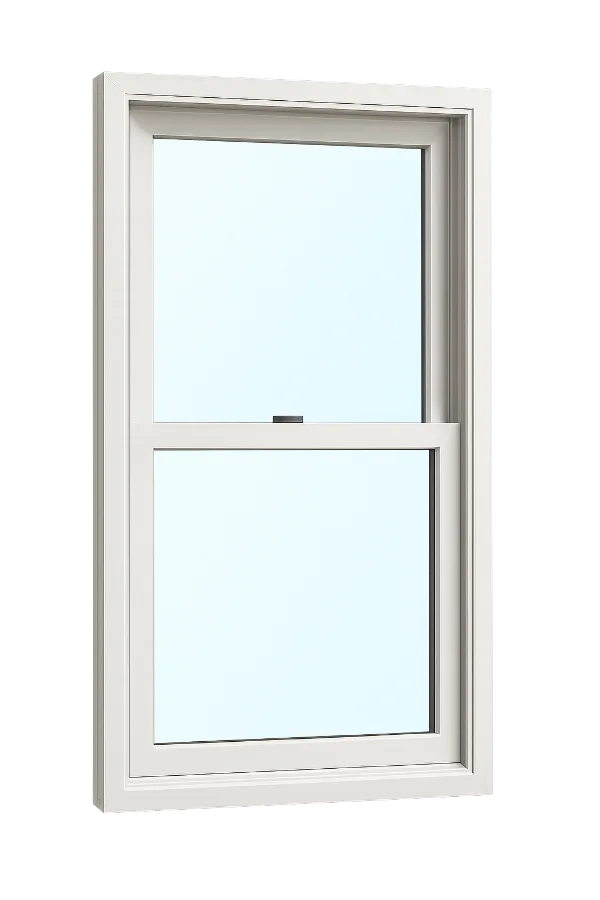
Double-hung windows are the most common style in Lehigh Valley homes. Both the top and bottom sashes slide vertically, and many modern versions tilt inward for easy cleaning — a big plus for forever-home owners who want less ladder work.
Get a free quote from a vetted local window pro
One local expert, one call, one free in-home assessment — your info is never sold to a list of contractors.
- Free in-home assessment
- One vetted local pro
- No pressure, no spam
Best for
- ✓Traditional and colonial-style homes
- ✓Bedrooms and living rooms
- ✓Easy indoor cleaning
Why forever-home owners like them
- ✓Tilt-in cleaning from inside the home
- ✓Familiar operation most people already know
- ✓Can open top sash for secure ventilation
Things to consider
- •Screens and balances should operate smoothly
- •Ask about locks that are easy to grip
Double-Hung Windows in Lehigh Valley homes: what to know
Most people who type double-hung replacement windows Lehigh Valley into a search bar are replacing double-hungs that are already there. The style has been the default here for well over a century, from the brick rowhomes of center-city Allentown and the South Side of Bethlehem to the College Hill Victorians in Easton and the coal-era doubles stacked up the hillsides of Scranton and Wilkes-Barre. Those originals had rope-and-pulley balances, single glass, and a meeting rail never meant to hold back a February wind off South Mountain. What you buy today looks the same from the sidewalk and behaves very differently.
The modern double-hung earns its place through parts you never see: balances that hold a sash exactly where you leave it, an interlocking meeting rail that closes the old gap between the sashes, and compression weatherstripping at the head and sill. In a two-and-a-half-story twin with bedrooms tucked under a slate roof, those details separate a room that holds its heat overnight from one that needs a space heater running. The same parts keep humid August air outside, where a leaky meeting rail used to let it drift in all night.
Freeze-thaw writes the rest of the regional story. Old wood sills on a rowhome drink meltwater from the sidewalk side, swell, and split, which is why so many original sashes have been painted shut for decades. A replacement unit lands on a sill your matched installer has probed and, where needed, rebuilt, so the operation you get on the first day is the operation you keep. Tilt-in sashes finish the picture: on a street-facing second floor with nowhere to set a ladder, washing both sides of the glass from the bedroom is the feature owners mention first.
Where double-hung windows work best
Center-city rowhomes and twins
Party walls mean windows only front and back, so every opening carries the ventilation load for its floor. Tall, narrow double-hungs keep the facade rhythm and let you crack the top sash on the street side without inviting anyone in.
College Hill and West End Victorians
Tall openings, sometimes with a transom or stained-glass panel above. Cottage-style double-hungs with a shorter upper sash and grids on the top only echo the original proportions while leaving the lower glass clear.
Coal-era doubles in Scranton and Wilkes-Barre
Deep frames, plaster returns, and a third floor that bakes in July. A top sash you can drop a few inches lets hot air out at the ceiling line.
Stair landings and upstairs hallways
A landing window in a tall, narrow house is the natural chimney for warm air. Opened from the top on a summer evening, it pulls a breeze through every bedroom door left ajar.
Get a free quote from a vetted local window pro
One local expert, one call, one free in-home assessment — your info is never sold to a list of contractors.
- Free in-home assessment
- One vetted local pro
- No pressure, no spam
Glass, hardware, and operation
The glass does more work than the frame on a double-hung, because the sashes are the thin part of the wall. Two panes with a Low-E coating and an inert gas fill are the standard package, and a warm-edge spacer keeps frost from forming along the bottom rail in January. On a busy corridor, laminated glass in the street-facing units takes the edge off traffic noise.
Hardware decides how the window feels to live with. Wider sashes get two cam locks so the meeting rail pulls tight along its full width, and tilt latches should be large enough to pinch without fingernails. Screens come as half or full: a half screen sits outside the lower sash and disappears when the window is shut, while a full screen lets the top sash vent through it. If a heavier glass package is on the order, confirm the balances are rated for that sash weight.
How the installation goes
Most Lehigh Valley double-hungs go in as inserts. Brick shelters the old frame on a rowhome or twin, so it is often sound and the new unit slides in with the interior trim and plaster untouched. Ask whether the hollow sash-weight pockets get packed with insulation, and how much glass you give up to a frame sitting inside the old one. Full-frame is the call when the sill has rotted through, when settling has racked the frame, or when the original was never flashed.
On the day, a crew of two typically works one opening at a time so the house is never open to the weather. The old sashes and stops come out, and the new unit is set, shimmed, foamed, and sealed before the crew moves on. Exterior wood brickmould is usually wrapped in color-matched capping. On homes built before 1978, federal lead-safe work rules apply, so ask how dust is contained.
When something else fits better
Casement Windows
Over the kitchen sink or on a wall that takes the wind head-on; the sash compresses shut instead of sliding, and the crank reaches where a lift does not.
Sliding Windows
In a wide, low opening in a ranch or split-level, where a double-hung would look short and squat.
Wood Windows
If the house sits in a locally designated historic district, wood or clad-wood may be the expected answer on the street-facing facade.
Before the visit: a double-hung checklist
- List every sash that is painted shut, drops when lifted, or rattles in its track.
- Note which openings face the street and which face the alley so laminated glass and vent stops go only where they help.
- Decide between half screens and full screens before the visit.
- If inserts are recommended, ask whether the old weight pockets get insulated.
- Find out whether your block is in a locally designated historic district; some boroughs review grid patterns and exterior colors on street-facing windows.
Double-Hung questions
Are double-hung windows good for older homeowners?
Yes — especially tilt-in models that clean from indoors and operate with steady, predictable motion.
Can I replace just the sashes?
Sometimes. Your matched local expert will advise whether insert (pocket) or full-frame replacement is better for your openings.
Why does my old double-hung drop or slam shut on its own?
The balance has failed. On an original window a rope has snapped and the iron weight is sitting at the bottom of the pocket; on a newer unit a spring balance has lost tension. Replacement double-hungs use balances sized to the sash, so it stays wherever you leave it.
Do double-hungs leak more air than other styles?
In principle, yes. A sliding sash cannot squeeze its weatherstrip the way a hinged sash does, so a casement will usually test tighter. The double-hung replacement windows Lehigh Valley installers carry now close most of that gap with an interlocking meeting rail, dual jamb weatherstrip, and a compression seal at the sill.
Can new double-hungs match the divided-light pattern on my Victorian?
Yes. Grids between the glass stay flush and easy to clean, while simulated divided lites bond a bar to both faces for a truer shadow line. A six-over-one layout with grids on the upper sash only is common on older houses. If the facade may face local historic review, show a sample first.
How do I clean the outside of a tilt-in sash safely?
Raise the lower sash a few inches, release both tilt latches at the top, and let the sash lean in until it rests. Clean, push it back until the latches click, then repeat with the upper sash after lowering it. If a sash will not tilt smoothly, have it adjusted rather than forcing it.
What is a vent stop, and do I need one?
A vent stop is a small tab in the jamb that keeps the lower sash from opening past a set height, usually a few inches. It lets you air out a first-floor room overnight or keep a child from raising the sash all the way. On a rear window facing an alley, most owners want one.
Other window styles
Compare frame materials
Getting double-hung installed near you
We match homeowners across the Lehigh Valley and Poconos with one vetted local installer.
Get a free quote from a vetted local window pro
One local expert, one call, one free in-home assessment — your info is never sold to a list of contractors.
- Free in-home assessment
- One vetted local pro
- No pressure, no spam